

Editorial

Editorial

Has Social Media Become the New Battlefield of Politics?

Social media has fundamentally transformed the way politics is conducted. It is no longer merely a platform for sharing personal updates or entertainment; it has become a powerful arena where public opinion is shaped, movements are organised, governments are questioned, and political narratives are contested. A single post can reach millions within hours, mobilising citizens
Editorial

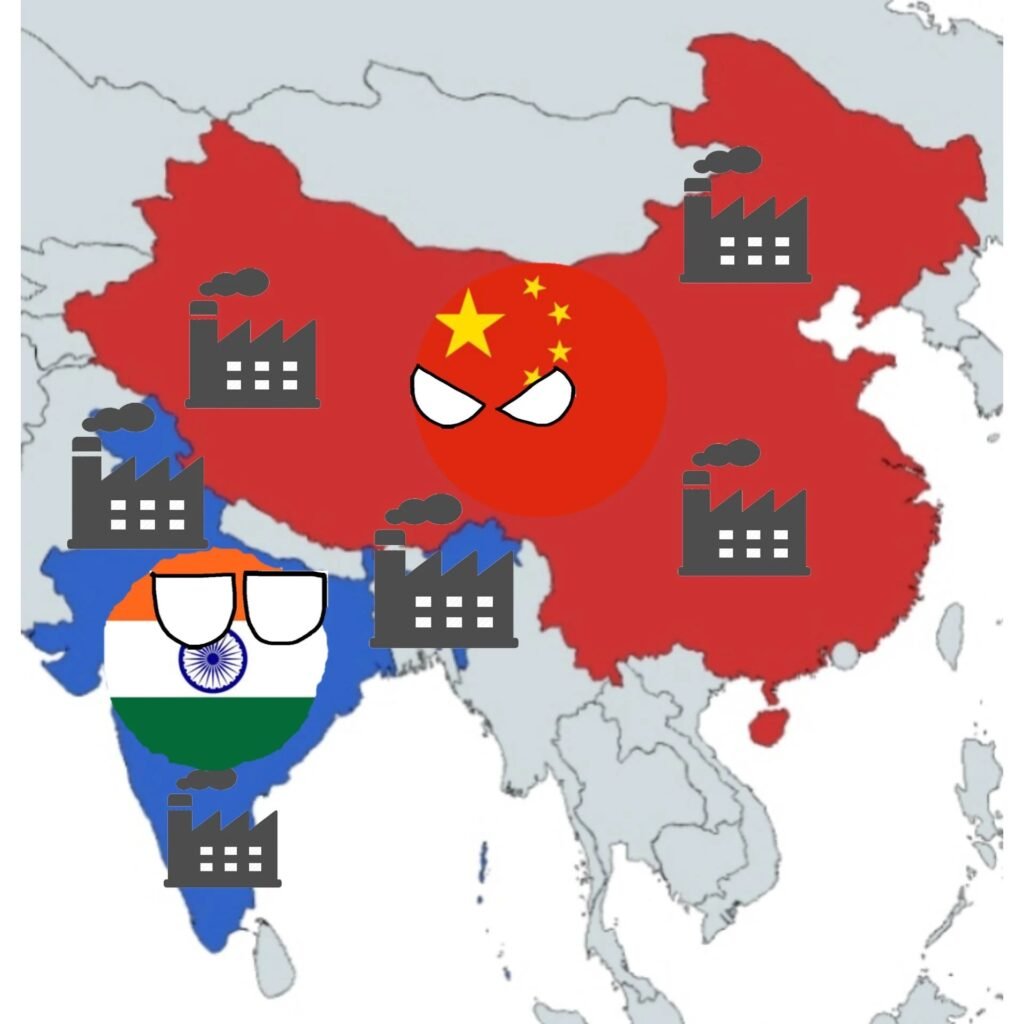
China’s Economic Miracle: Can India Replicate Its Success?

Over the past four decades, China has achieved one of the most remarkable economic transformations in modern history. From being a largely agrarian economy in the late twentieth century, it has emerged as the world’s second-largest economy, a global manufacturing powerhouse, and a leader in infrastructure development. Hundreds of millions of people have been lifted

Editorial

FCRA: Safeguarding Sovereignty or Restricting Civil Society?

The Foreign Contribution (Regulation) Act (FCRA) has remained one of the most debated laws in India. Supporters view it as an essential safeguard for national sovereignty, while critics argue that it places restrictions on civil society organisations. However, when examined through the lens of national security, transparency, and democratic accountability, the FCRA appears less as

Editorial

The Search Engine Generation: Are We Losing the Ability to Remember?

Never before has information been so accessible. With just a few keystrokes or a voice command, people can instantly find answers to almost any question. Search engines have transformed education, work, communication, and everyday life by placing the world’s knowledge within easy reach. This remarkable convenience has undoubtedly improved productivity and learning. Yet it also

Editorial

Growth vs Equality: Is Pure Capitalism Better Than a Capitalist-Socialist Model?

Economic systems shape the way societies create wealth, distribute opportunities, and improve living standards. For centuries, debates have continued over the best balance between individual freedom, economic growth, and social equality. At one end of the debate is pure capitalism, which emphasises free markets, private ownership, competition, and limited government intervention. At the other end

Editorial

The Digital Memory Problem: Will Future Generations Remember Their Past?

Human civilisation has always depended on memory. Stories were once passed down through generations by word of mouth before being preserved in books, photographs, letters, and historical records. Today, however, memories are increasingly stored in smartphones, cloud servers, and social media platforms rather than in our minds or personal archives. This transformation raises an intriguing

Editorial

The Future of Food: Can Agriculture Feed a Growing Population?

Feeding the world’s growing population is one of the greatest challenges of the twenty-first century. As the global population continues to rise, the demand for food is increasing at an unprecedented pace. At the same time, agriculture faces mounting pressures from climate change, shrinking farmland, water scarcity, and changing dietary habits. The question is no

Editorial

In the Name of Education Reform: Who Is Really Driving the Protest?

A protest is underway. Social media is flooded with opinions, criticism, debates and counterarguments. Questions are being asked of those in power and citizens are demanding answers. In many ways, this reflects the strength of a thriving democracy, where people are free to raise their voices and hold governments accountable. But before emotions and political

Editorial

The Future of Public Healthcare: Quality or Quantity?

Public healthcare is one of the most important pillars of a modern society. It ensures that medical care is available to people regardless of their income, helping to improve life expectancy, reduce inequality, and protect communities from disease. As populations grow, people live longer, and medical technology advances, healthcare systems face increasing pressure. Governments are

Scroll to Top