Editorial

Editorial

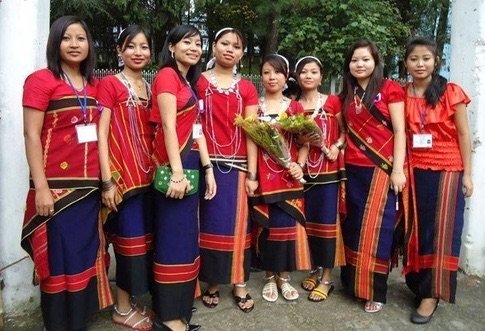
The Quiet Engine: Transforming Tripura’s Rural Economy Through Women-Led Micro-Enterprise

The economic future of Tripura is quietly being rewritten, not in corporate boardrooms, but in the courtyard meetings of rural Self-Help Groups (SHGs). For generations, the contribution of rural women to the state’s economy was immense but largely invisible—relegated to unpaid agricultural labor and domestic care. Today, a structural shift is underway. By organizing into
Editorial

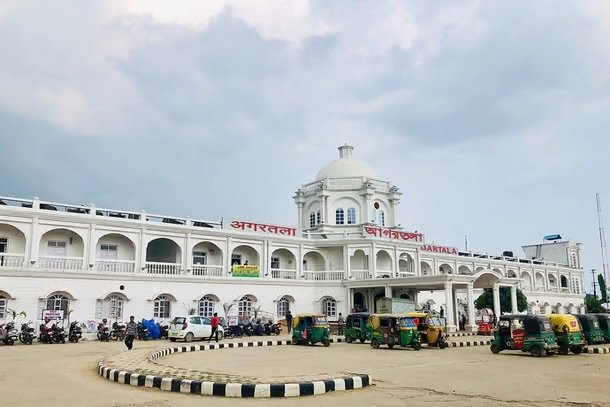
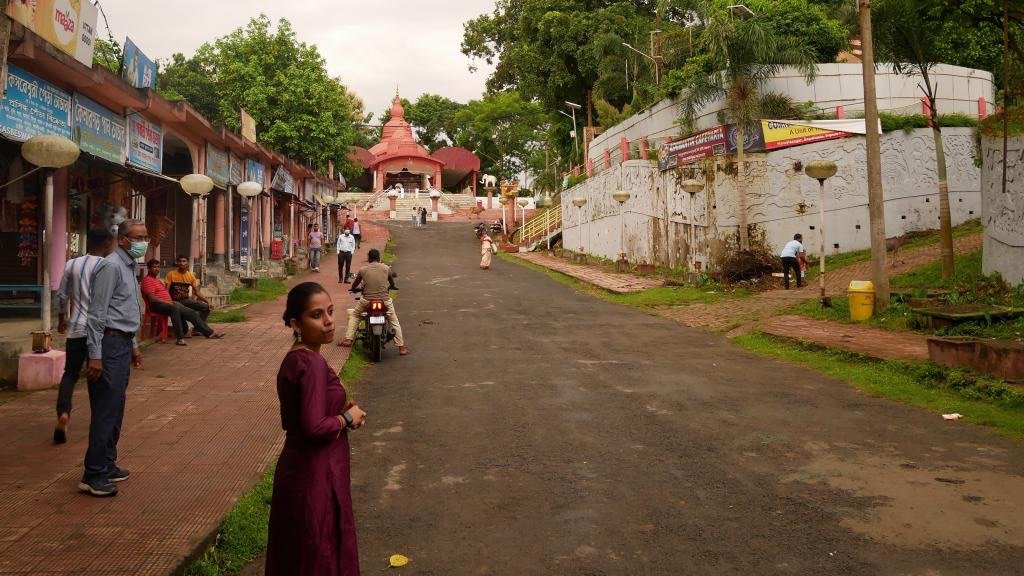
The Unlocked Frontier: Why Agartala’s Connectivity Boom Demands a Skills Revolution

For decades, geographic isolation was treated as an unalterable reality for Tripura. Encircled on three sides by international borders, the state’s economic narrative was frequently dictated by its distance from major mainland Indian markets. However, the completion of critical transit corridors—most notably the Maitri Setu over the Feni River and the expansion of Indo-Bangla railway

Editorial

Tripura’s Development Journey Needs Steady Collaboration

Tripura is in a phase where steady, long‑term development matters more than political noise. Across the state — from the hills to the plains — people are looking for continuity, cooperation, and practical solutions to everyday challenges. Whether it is improving rural connectivity, strengthening healthcare, or creating opportunities for the youth, progress depends on consistent

Editorial

One Nation, One Law: Can the Uniform Civil Code End the Practice of Polygamy?

As India debates equality, justice, and modern legal reform, the issue of polygamy has once again entered public discussion—raising questions about whether the Uniform Civil Code (UCC) could help create a more equal society. India is a country built on diversity, with multiple religions, cultures, and personal laws shaping family and social structures. Marriage, inheritance,

Editorial

Democracy in the Social Media Era: Are Algorithms Influencing Public Opinion?

As billions of people consume news, opinions, and political content through digital platforms, social media algorithms are emerging as powerful forces capable of shaping public perception and democratic discourse. Democracy has always depended on the free flow of information and the ability of citizens to make informed decisions. Traditionally, newspapers, television, public debates, and direct

Scroll to Top