Editorial

Editorial

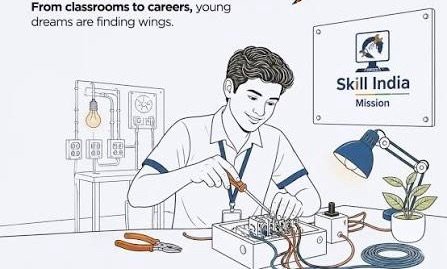
Skill India: Are We Preparing Youth for Tomorrow’s Jobs?

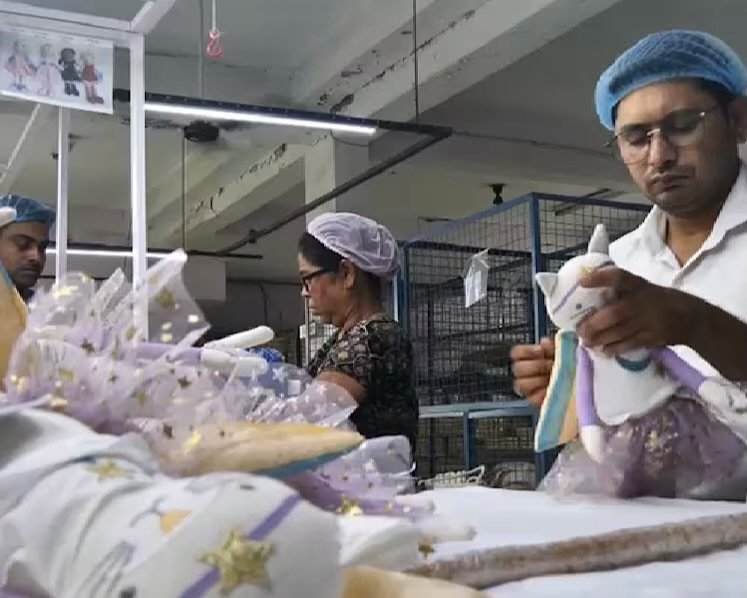
India stands at a defining moment in its development journey. With over half of its population below the age of 30, the country possesses one of the world’s greatest demographic advantages. If this young workforce is equipped with the right skills, India can emerge as a global economic powerhouse. However, if education and training fail
Editorial

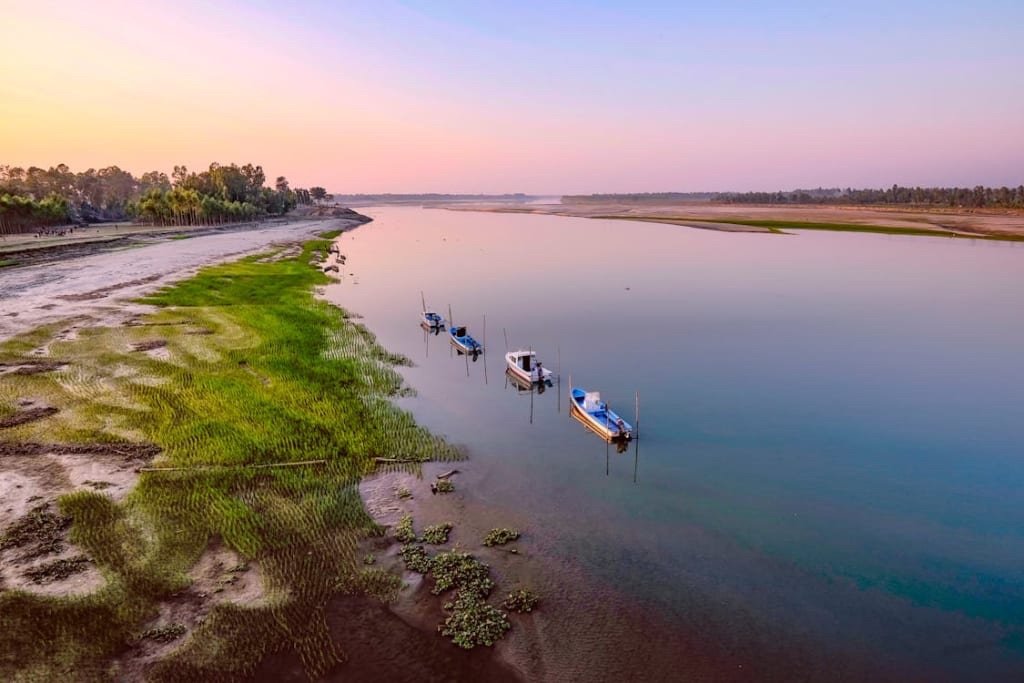
Brahmaputra: Assam’s Lifeline or Its Greatest Challenge?

The Brahmaputra is not just a river flowing through Assam—it is the identity, economy, and cultural heartbeat of the state. For centuries, this mighty river has shaped the lives of millions of people by providing water, fertile soil, transportation routes, and livelihoods. It has supported agriculture, influenced traditions, and sustained one of the world’s most

Editorial

Manufacturing India: Can the Country Truly Become the Next Global Factory?

For decades, the phrase “Made in China” became synonymous with global manufacturing. From electronics and automobiles to textiles and household goods, China established itself as the world’s factory through a combination of infrastructure, skilled labour, export-oriented policies, and long-term planning. Today, however, shifting global supply chains, geopolitical tensions, rising labour costs in some regions, and

Editorial

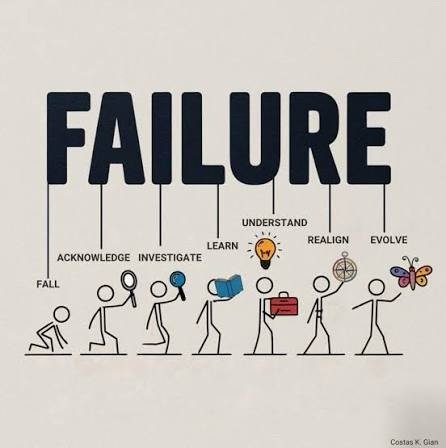
The Lost Value of Failure: Why Mistakes Are Essential for Growth

In a world that celebrates success, failure is often treated as something to avoid, hide, or overcome as quickly as possible. From academic achievements and career milestones to personal goals, society frequently highlights winners while ignoring the struggles behind their success. As a result, many people grow up believing that mistakes are signs of weakness

Editorial

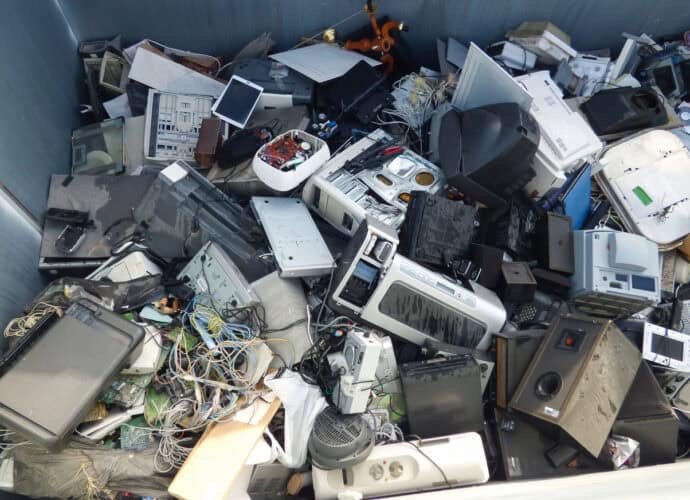
The Growing Problem of Electronic Waste: Where Do Old Devices Go?

Smartphones, laptops, televisions, refrigerators, tablets, and countless other electronic devices have transformed modern life. Every year, technology becomes faster, smarter, and more efficient, encouraging consumers to upgrade to newer models. While this rapid innovation has improved productivity and connectivity, it has also created one of the world’s fastest-growing environmental challenges—electronic waste, commonly known as e-waste.

Editorial

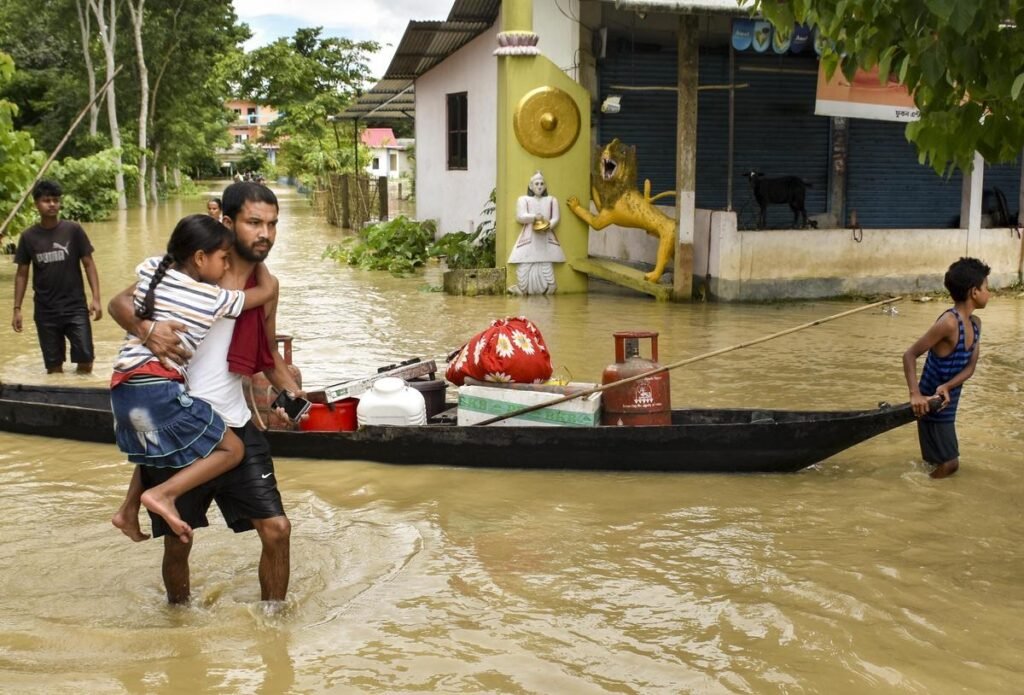
Floods in Assam: A Natural Disaster or a Failure of Long-Term Planning?

Every year, as the monsoon arrives, Assam prepares for what has become an all-too-familiar tragedy. Rivers overflow, embankments breach, villages disappear under water, farmland is destroyed, wildlife is displaced, and thousands of families are forced into relief camps. For many people, floods have become an accepted part of life in Assam. But should they be?

Editorial

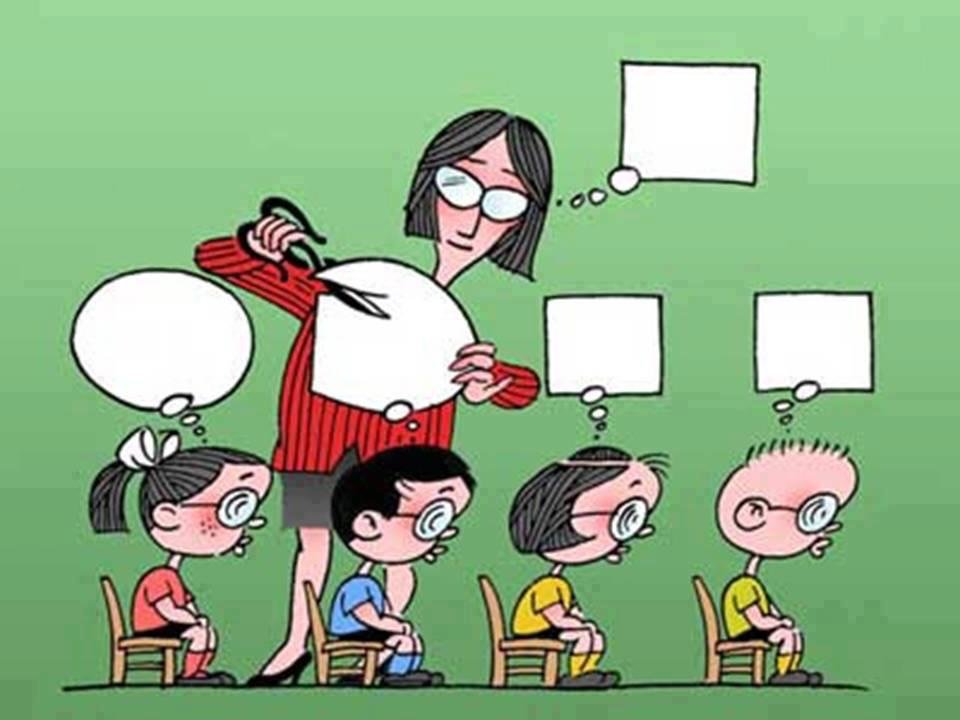
The Creativity Crisis: Are We Training Children to Follow Instead of Create?

Creativity has always been one of humanity’s greatest strengths. It has driven scientific discoveries, artistic achievements, technological breakthroughs, and social progress. Yet in today’s education systems, an important question is emerging: are we encouraging children to think creatively, or are we training them to simply follow instructions and search for the “right” answers? Traditional education

Editorial

The Forgotten Skills of Everyday Life: What Schools Rarely Teach

Schools play a vital role in shaping young minds. They teach mathematics, science, languages, history, and technology—subjects that build knowledge and prepare students for higher education and careers. However, many young people leave school without learning some of the most practical skills needed for everyday life. As society becomes increasingly complex, the gap between academic

Editorial

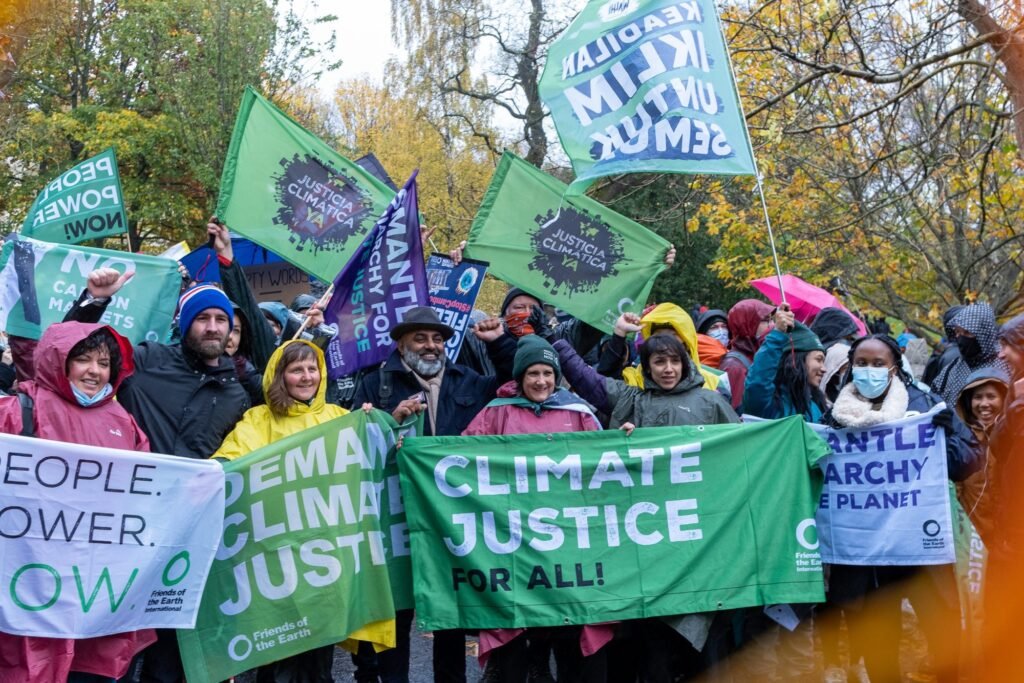
The Next Generation Climate Challenge: Who Will Pay the Price?

Climate change is no longer a distant concern discussed only by scientists and policymakers. It is a reality that is already affecting lives through rising temperatures, extreme weather events, floods, droughts, wildfires, and declining biodiversity. While today’s generation is experiencing its effects, it is tomorrow’s generation that is likely to bear the greatest burden. The

Editorial

Beyond Elections: What Makes a Strong Democracy?

Democracy is often associated with elections. The ability of citizens to choose their leaders through free and fair voting is undoubtedly one of its defining features. However, democracy is far more than a periodic visit to the ballot box. A nation does not become truly democratic simply because elections are held every few years. The

Scroll to Top