Editorial

Editorial

Two and a Half Years, One Election Away: What the Sudden Push on the Tripura Accord Reveals About Its Timing

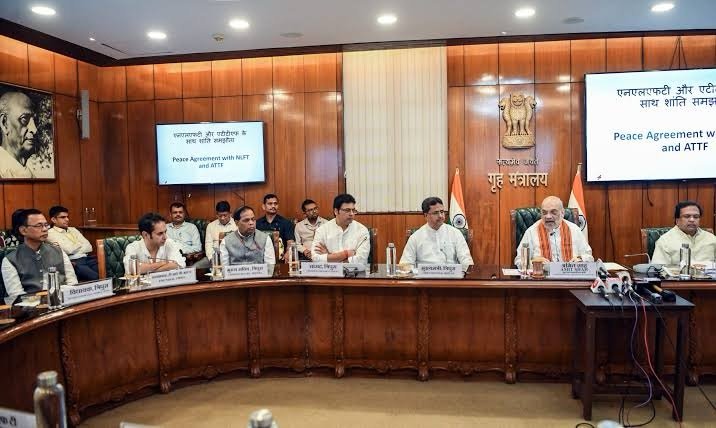
A high-level Ministry of Home Affairs delegation is set to visit Tripura next week to accelerate implementation of the tripartite agreement signed by the Centre, the state government, and TIPRA Motha in March 2024 — a deal meant to resolve long-standing political, land, economic and cultural demands of the state’s indigenous population. The visit follows

Editorial

One Teacher, A Hundred Students: Why Tripura’s Classroom Crisis Keeps Outrunning Its Recruitment Drives

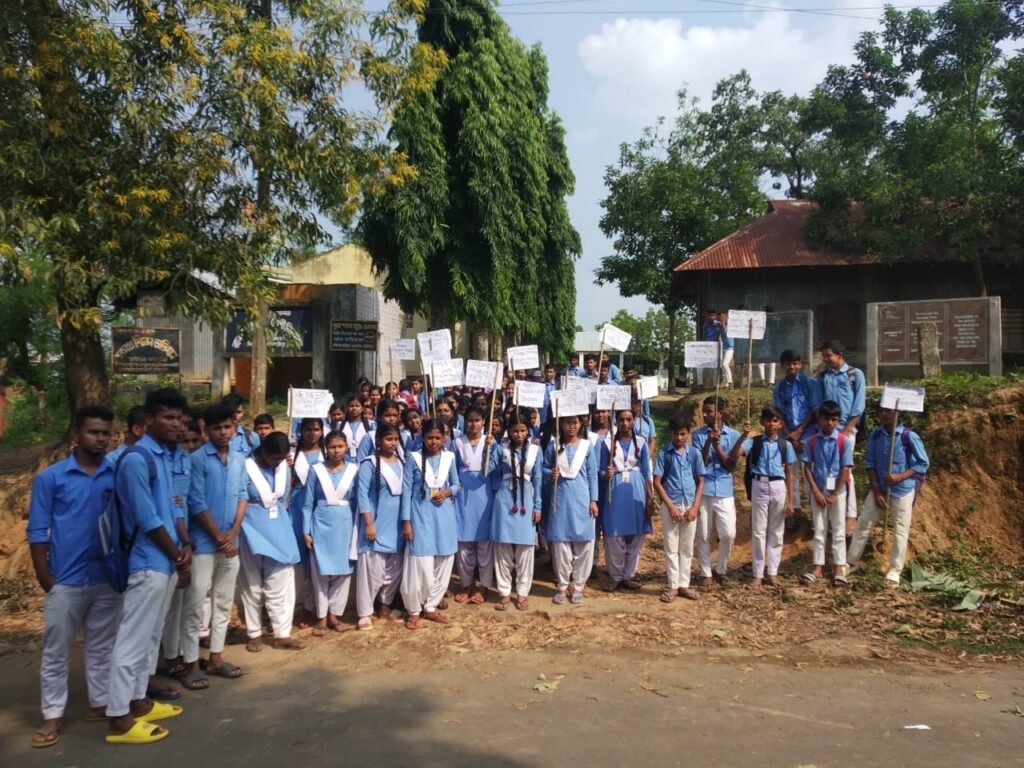
At Rangamatiya North High School in Nalchar, a single teacher is currently responsible for nearly 100 students. It isn’t an isolated anomaly. The Ministry of Education’s UDISE report for 2024-25 counted 340 Tripura schools running on just one teacher each, serving a combined 6,492 students; TET-qualified protesters outside the Teachers’ Recruitment Board this year put

Editorial

Ten Years Late: What Tripura’s Court-Ordered Village Committee Elections Say About Whose Democracy Gets Deferred

On September 28, voters across Tripura’s tribal-dominated areas will finally cast ballots for Village Committees under the Tripura Tribal Areas Autonomous District Council — a local body election that, by law, should have happened five separate times in the years since it was last held. The last Village Committee elections took place in 2016. The

Editorial

Weather Alert From Delhi to Mizoram: What a Rain Warning Spanning Half the Map Says About India’s Patchwork Disaster Preparedness

Today’s IMD bulletin reads like a map of the entire country. Delhi-NCR has seen continuous rain since Friday, forcing at least 11 flight diversions and leaving stretches of the Dwarka Expressway tunnel waterlogged. A nowcast warning issued at 10:38 AM prompted Gurugram’s administration to advise residents against non-essential travel. Himachal Pradesh has 87 roads closed,

Editorial

5.18 Crore Cases and Counting: Will Raising Judges’ Retirement Age Actually Fix India’s District Court Backlog?

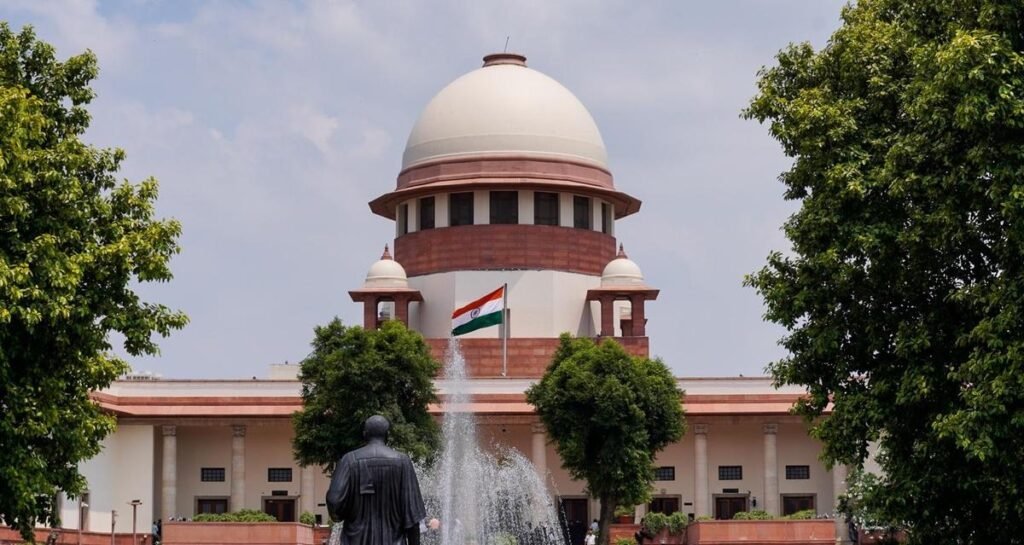
The Supreme Court’s September 1 order, published September 4, gives 23 states and union territories two weeks to decide whether district judicial officers should be allowed to serve until 62 instead of retiring at 60. Seven states — Chhattisgarh, Karnataka, Madhya Pradesh, Maharashtra, Sikkim, Tamil Nadu and West Bengal — have already agreed and been

Editorial

Forty Time Bombs Above Sikkim: What the State’s Own Glacial Lake Hazard List Means After Nepal’s Warning Went Unheeded

Sikkim has identified 40 high-hazard glacial lakes within its own territory, with 16 classified in the highest-risk category for a catastrophic outburst. The disclosure, made at a Gangtok media workshop this week, arrives with grim timing: barely ten days after a glacial collapse near the Nepal-Tibet border killed hundreds and left a trail of destruction

Editorial

Ten Years, Four Pillars: What the RAKSHA Defence Diplomacy Document Means for India’s Neighbourhood-First Promises

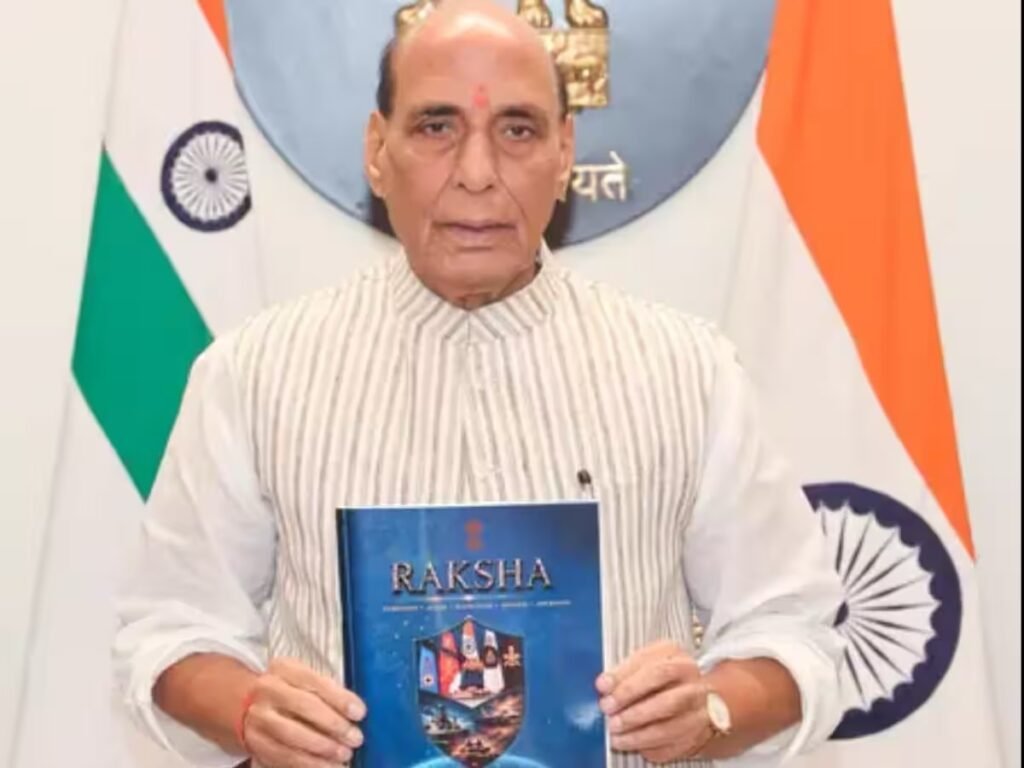
Defence Minister Rajnath Singh released ‘RAKSHA’ in New Delhi this week, a structured ten-year roadmap for India’s global defence partnerships built around four pillars: strategic partnerships, capacity building through joint exercises and training, indigenous defence exports under Make in India, and maritime security anchored in India’s role as Net Security Provider and First Responder in

Editorial

₹38.6 Lakh Crore or ₹27.4 Lakh Crore? What a 40.9% Gap in India’s Manufacturing GVA Estimates Should Make Us Ask About the Numbers Behind the Growth Story

India’s National Statistical Office recently released updated National Accounts Statistics placing manufacturing sector Gross Value Added at ₹38.6 lakh crore for 2023-24, or 14.7 percent of GDP. When independent economists cross-checked that figure against other official data sources, they arrived at a substantially lower estimate — around ₹27.4 lakh crore — a gap of roughly

Editorial

Measuring What We Couldn’t Before: What India’s First-Ever Index of Services Production Means for a Services-Led Growth Story

For decades, India has tracked its industrial output monthly through the Index of Industrial Production, while the sector that actually generates more than half the country’s Gross Value Added — services — had no equivalent high-frequency measure at all. That gap has now closed. MoSPI released its third trial round of the new Index of

Editorial

Credit at the Speed of a Click: Will RBI’s Unified Lending Interface Actually Reach Tripura’s Small Farmers and Traders?

The Reserve Bank of India’s Unified Lending Interface has moved well past pilot stage, now connecting 64 lenders and 136 data services, with officials pitching it as the lending-sector equivalent of UPI — a platform capable of cutting Kisan Credit Card approval times from four-to-six weeks down to as little as ten minutes by pulling

Scroll to Top