Editorial

Editorial

When the Regulator Resigns: The JPSC Shake-Up and the Question of Who Watches India’s Public Service Commissions

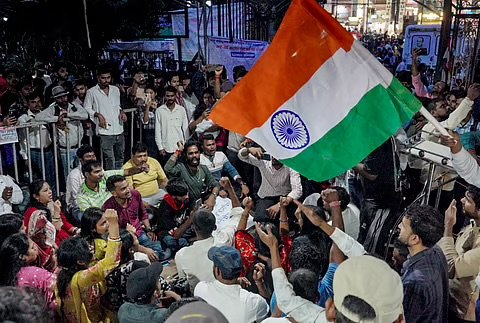
On Sunday, all three remaining members of the Jharkhand Public Service Commission resigned within hours of each other. Ajeeta Bhattacharya, Anima Hansda and Jamal Ahmad each stepped down after being summoned by the state’s Criminal Investigation Department for questioning over allegations of large-scale irregularities, including paper leaks, in the commission’s examinations. Their resignations followed that
Editorial

Ninety-Eight Percent Isn’t Enough: What the Jharkhand JPSC Protests Reveal About Trust in Public Exams

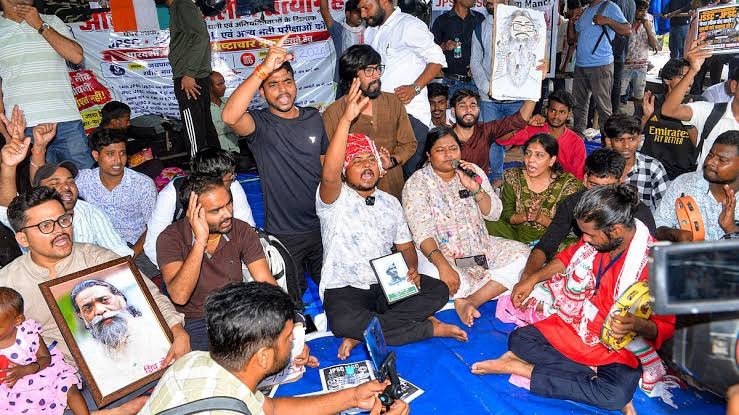
On the seventeenth day of their agitation, thousands of job aspirants breached police barricades in Ranchi on Monday and marched toward the Jharkhand Assembly, undeterred by heavy security deployment. A student leader on a nine-day hunger strike joined the march by ambulance. Opposition BJP leaders staged a sit-in outside the Chief Minister’s residence and were

Editorial

The Ration Card Test: Why Digitising Welfare in India Still Leaves the Poorest Behind

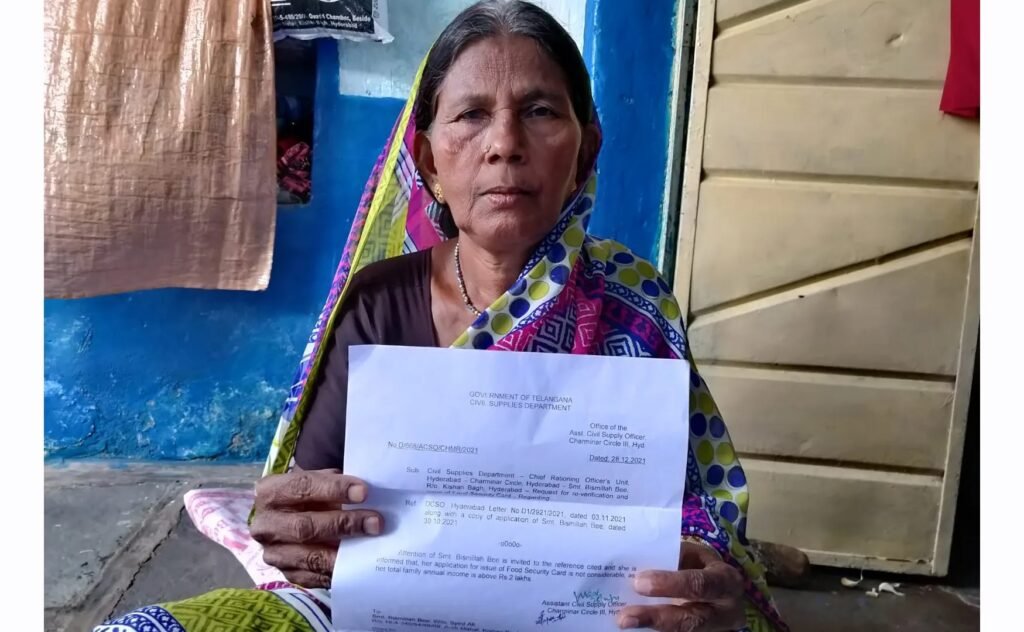
India’s Public Distribution System quietly feeds more than 80 crore people every month — a logistical achievement with few global parallels. Over the past two years, the government has pushed to modernise this vast machinery: mandatory Aadhaar-based e-KYC for every listed household member, biometric authentication at fair price shops, GPS-tracked grain movement, and cross-referencing of

Editorial

Watching From the Sidelines: What the Mecca Defence Pact Means for India’s Calculus in West Asia

India’s official response to the Mecca Joint Defence Agreement was, characteristically, four words long: “closely following the development.” Ministry of External Affairs spokesperson Randhir Jaiswal offered little more when pressed on Friday, saying New Delhi would “keep you updated.” It was the same measured register India used almost a year earlier, in September 2025, when

Editorial

The Cost of Belonging: Tribal Land Rights and the Slow Erosion of Trust in Tripura’s Autonomous Councils

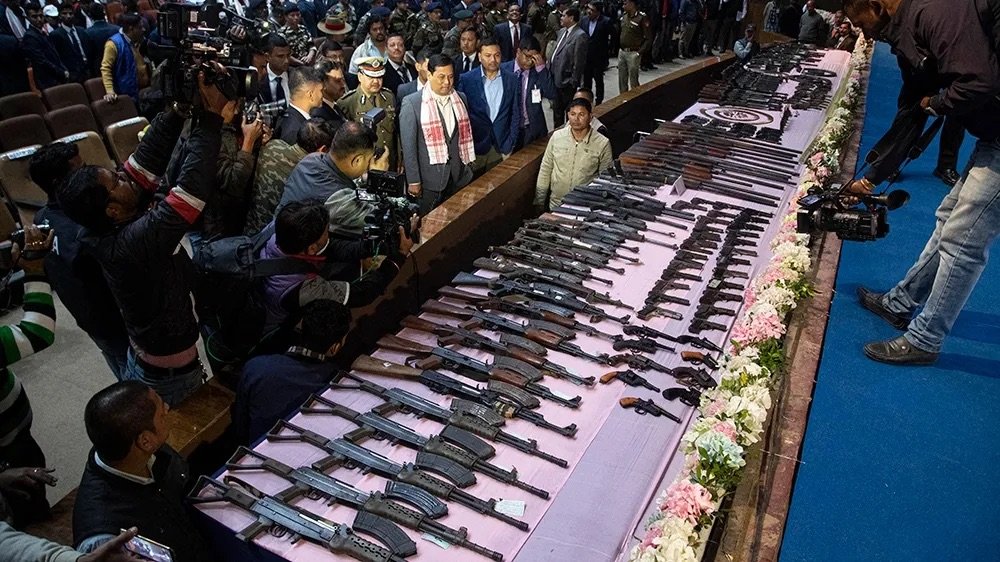
Sixty-eight percent of Tripura’s land falls under the jurisdiction of the Tripura Tribal Areas Autonomous District Council, home to roughly two-thirds of the state’s tribal population. On paper, that is a remarkable constitutional achievement — a Sixth Schedule body, extended to the state in 1985, designed to let indigenous communities govern their own land, culture

Editorial, Uncategorized

Deterrence on Display: Reading India’s Agni-4 Test Against a Volatile West Asia

On Thursday, from the Integrated Test Range at Chandipur, India’s Strategic Forces Command test-fired the Agni-4, a medium-range ballistic missile capable of striking targets up to 4,000 kilometres away. The Ministry of Defence’s language was clinical: the launch “validated all operational and technical parameters.” It was, by every official account, a routine exercise — one

Scroll to Top